How to Maintain Your Solar Panels in South Carolina's Heat and Humidity
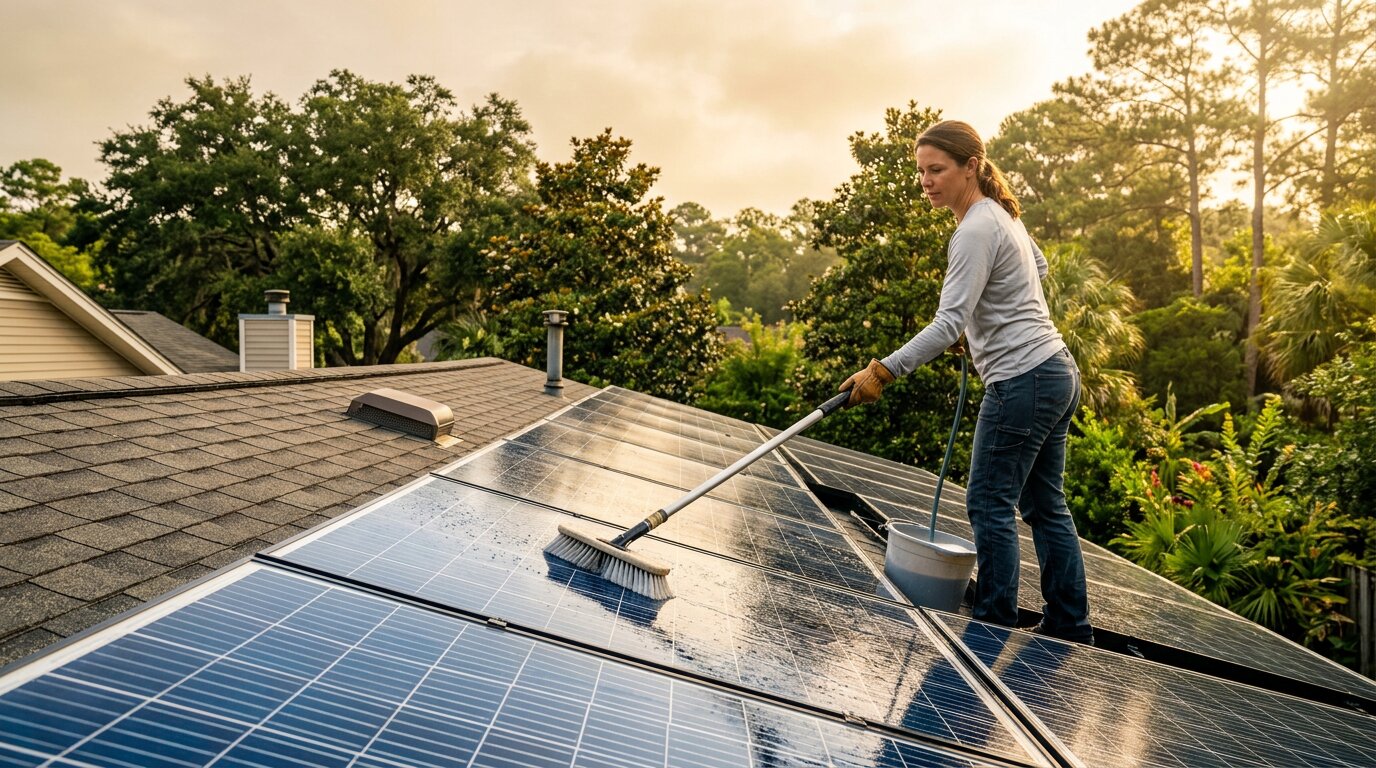
If you’ve invested in solar panels for your home in South Carolina, keeping them in peak condition is crucial—especially with the state’s high temperatures and humidity. Without the right care, your system’s performance can drop, and repair costs may rise. But what does proper maintenance actually involve in such a challenging climate, and how can you make sure your panels keep working efficiently year-round?
Understanding the Impact of South Carolina’s Climate on Solar Panels
Solar panels are engineered to endure a variety of environmental conditions; however, South Carolina’s specific climate, characterized by high temperatures and elevated humidity levels, presents distinct challenges that can impact their efficiency and longevity. For more information on Solar Panels in South Carolina, it's important to understand these factors.
High temperatures can lead to a decrease in peak performance of solar panels, which may result in lower overall energy production. This effect is primarily due to the reduced efficiency of photovoltaic cells as temperatures rise.
Additionally, the humidity prevalent in South Carolina can contribute to moisture accumulation on the solar panel surfaces, which may interfere with light absorption. Combined with environmental debris, this can diminish the panels' performance.
Rainfall in this region can offer some benefits, such as rinsing away dust and debris; however, it can also lead to moisture retention on the panels. Therefore, regular maintenance is advisable. Homeowners should consistently inspect their roofs and panels for any signs of wear or damage, and it may be prudent to consult a professional if physical deterioration is observed.
Understanding the implications of South Carolina’s climate on solar panel performance is crucial to maintaining optimal energy solutions and minimizing potential risks associated with system inefficiencies. For further information or assistance, please contact us.
Establishing an Effective Cleaning Routine
Establishing a regular cleaning schedule for solar panels can significantly enhance their performance, especially in a climate like South Carolina's, which is characterized by high heat and humidity.
It is advisable to inspect and clean your solar panels two to four times a year. These environmental factors can lead to efficiency reductions if the panels are not adequately maintained.
When cleaning the panels, employ a soft-bristled brush along with non-abrasive cleaning solutions to prevent any damage. The use of high-pressure washers should be avoided, as they can harm both the solar panels and the roof structure.
Key indicators that maintenance is necessary include the presence of algae, dirt, or any physical residue that cannot be removed by natural means like rain or snow.
Cleaning should ideally be performed during cooler periods to ensure safety and effectiveness. Furthermore, understanding the specific energy needs of your home, along with the local environmental conditions, can help mitigate the accumulation of debris on the panels.
For further guidance and professional advice, do not hesitate to reach out for assistance. All rights reserved.
Conducting Routine Visual Inspections
Conducting routine visual inspections of solar panels is a prudent practice, particularly in response to South Carolina's climatic conditions, characterized by heat and humidity. Inspections should take place every few months to identify potential issues that may hinder performance.
It is important to look for dirt, debris, or any physical damage that could affect the panels' efficiency. Additionally, checking for animal nests, mold, or algae is crucial, as these factors can lead to diminished energy output.
After severe weather events, it is advisable to verify the security and alignment of the panels and racking systems. Such preventive measures help ensure the integrity and optimal functioning of the solar installation.
While snow accumulation is not generally a significant concern in the region, humidity and storms can impact system performance.
Understanding the specific maintenance needs of solar panels is vital for ensuring their longevity and efficient operation. Expert advice on maintenance strategies and best practices can be found in our Privacy policy, Terms of Service, or through direct communication with us. All rights reserved.
Monitoring System Performance and Output
To ensure that your solar panels in South Carolina operate at optimal levels within the state's variable climate, it is advisable to monitor the system's output regularly. This can be accomplished through dedicated applications or integrated monitoring platforms.
Systematic tracking allows for the identification of any deviations from expected performance, which can indicate potential issues. Reviewing energy production data on a daily and monthly basis is critical for establishing a performance baseline.
This practice helps in detecting significant decreases in output, which may be linked to various factors, including the type of solar panels deployed and the condition of roofing materials. While snowfall is infrequent in the region, high temperatures can adversely affect panel efficiency if adequate ventilation measures are not implemented.
Setting up alert systems for detecting malfunctions can further enhance monitoring efforts. For questions regarding ongoing maintenance or efficiency optimization, it is recommended to seek guidance from qualified professionals or contact relevant service providers.
For more information, please refer to our Privacy Policy and Terms of Service.
Managing Debris and Vegetation Around Solar Panels
A systematic approach to managing debris and vegetation around solar panels is crucial for optimizing their performance, particularly in the environmental conditions present in South Carolina.
It is advisable to regularly trim trees in proximity to your home and solar panel installation to minimize shading, which can adversely affect energy production. Additionally, removing potential debris sources such as twigs and leaves can prevent interruptions in solar panel function, especially during periods of intense heat.
Monitoring for physical obstructions, such as nests, is also important, as these can interfere with solar panel operation.
To maintain the panels without causing damage, it is recommended to use soft brushes for cleaning. Understanding how environmental factors, including humidity and pollen accumulation, can impact solar panel efficiency is essential for timely maintenance.
For those seeking professional guidance and optimized maintenance strategies, contacting a specialist in solar panel care can be beneficial.
This ensures the longevity and efficacy of your solar energy system. All rights reserved. Please refer to our policy Terms and Privacy policy for further information.
Addressing Issues Arising from Extreme Weather
South Carolina's climate is conducive to solar energy production, primarily due to the abundance of sunlight. However, extreme weather events can pose significant challenges to the efficiency and longevity of solar panels.
It is important to understand how temperature variations affect solar panel performance. Research indicates that for every degree Fahrenheit above 77°F, solar panel output may decline. This temperature sensitivity necessitates regular monitoring and maintenance to ensure optimal efficiency.
After extreme weather incidents, such as storms, it is advisable to inspect mounts and hardware for any potential physical damage, as such damage can hinder operational effectiveness. Additionally, high humidity levels can lead to algae growth on panels, which underscores the importance of routine inspections not only of the panels themselves but also of the roofing surfaces.
Timely maintenance is critical for ensuring that solar energy systems continue to perform effectively, particularly following periods of snowfall or strong winds. For those seeking to enhance their understanding of these challenges and proper upkeep techniques, consulting with a professional in the field can provide valuable insights.
Furthermore, it is prudent to review your maintenance policies and warranty terms to ensure comprehensive coverage and support for your solar energy system.
Determining Maintenance and Cleaning Frequency
When determining the appropriate frequency for maintaining and cleaning solar panels in South Carolina, it is important to consider the local climate conditions. The combination of heat and humidity in this region can lead to the accumulation of dust and debris on solar panels and rooftops, which may negatively affect solar efficiency if not addressed adequately.
It is advisable to inspect the panels for signs of buildup two to four times per year. This frequency may need to be adjusted based on specific conditions, such as the occurrence of storms or the proximity of trees that may contribute additional debris.
Regular cleaning should be carried out using appropriate solutions, preferably during the cooler morning hours to minimize the risk of damage to the panels and to enhance cleaning effectiveness.
In addition to physical maintenance, it is prudent to monitor energy output. Notable decreases in performance may indicate a need for further inspection and cleaning.
For additional information regarding policy terms, privacy practices, or professional guidance, please contact us. All rights reserved.
Knowing When to Seek Professional Maintenance
Determining when to seek professional maintenance for your solar panels is crucial, especially in the challenging climate of South Carolina. It is important to understand the difference between routine upkeep and issues requiring technical expertise to safeguard your investment.
There are specific indicators that may signal the need for professional intervention. These include noticeable reductions in energy output, visible physical damage to the panels, or the presence of error codes on the inverter. These signs can suggest underlying problems that, if not addressed promptly, may lead to decreased efficiency and long-term reliability concerns.
Environmental factors such as extreme heat, hurricane conditions, or snowfall can adversely impact the performance of solar panels. Without appropriate solutions, these conditions may lead to reduced efficacy over time.
It is advisable to utilize monitoring applications to track energy production trends regularly, which can provide insights into any potential underperformance or hardware issues.
Understanding the maintenance needs of your solar panels supports their ability to store and generate energy effectively. For detailed inquiries, please refer to our privacy policy, terms of service, or contact us directly. All rights reserved.
Enhancing Panel Longevity and Efficiency
The maintenance routine established for solar panels significantly impacts their longevity and operational efficiency, particularly in South Carolina’s climate, which is characterized by high temperatures and humidity. It is advisable to inspect the panels two to four times a year, as dust accumulation can reduce energy output.
Assessing the condition of the roof is also critical, especially considering the effects of heat and humidity on both the panels and the roofing materials. Regular monitoring for the presence of algae and mold is essential, as these factors can hinder performance. Implementing appropriate maintenance strategies can effectively minimize downtime and reduce physical wear on the system, even in climates where snow is not a concern.
Engaging professional inspections can help in identifying potential issues early, thereby preventing more significant problems from developing.
Additionally, proper storage of cleaning tools is important to ensure they remain effective when needed. It is important to note that neglecting regular maintenance can lead to a rapid decline in efficiency.
For more information regarding maintenance practices and related inquiries, please refer to our Privacy Policy and Terms of Use, as well as our Contact Us section for direct assistance. All rights reserved.
Conclusion
By staying proactive with cleaning, inspections, and routine maintenance, you’ll ensure your solar panels perform efficiently throughout South Carolina’s hot and humid seasons. Keep an eye out for debris, monitor system output, and address weather-related concerns quickly. If you’re ever unsure, don’t hesitate to consult local professionals. Regular upkeep not only protects your investment but also maximizes your energy savings. With a little attention, your solar panels will serve you reliably for years to come.